Binance Wallet Review 2024: Features, Security, and User Experience Explained

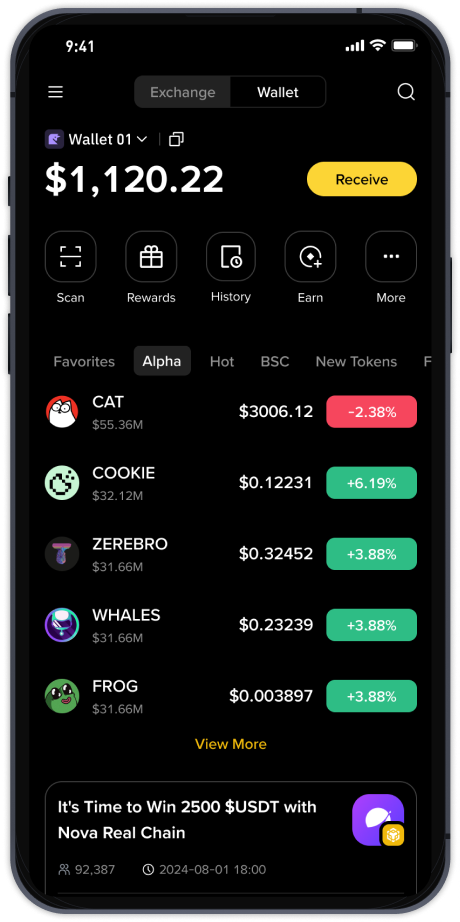
Binance Wallet, often referred to as the Binance Web3 Wallet, has become a central topic of discussion among cryptocurrency users. If you are searching for "Binance Wallet reviews," you are likely trying to determine whether this non-custodial wallet is a reliable choice for storing your digital assets. This article provides a balanced, in-depth look at what the Binance Wallet offers, its security measures, and the overall user experience.
First, it is important to understand what Binance Wallet is. It is a self-custody wallet integrated directly into the Binance exchange app. Unlike the centralized exchange wallet where Binance holds your keys, the Binance Web3 Wallet gives you full control over your private keys. This distinction is crucial for users who want to manage their own funds while still having easy access to the Binance ecosystem. The wallet supports a wide range of blockchains, including Ethereum, BNB Chain, Polygon, and Arbitrum, making it a versatile tool for interacting with decentralized applications (dApps).
When evaluating "how is the Binance Wallet," security is the primary concern. The wallet uses Multi-Party Computation (MPC) technology. Instead of a single private key, it splits the key into three key shares. Two of these shares are stored on your device and on a secure server, while the third is encrypted and stored with you. This setup eliminates the single point of failure that traditional private keys present. However, because it is an MPC wallet, some users may find the backup and recovery process—which involves a distributed key shard—more complex than simply memorizing a 12-word seed phrase. Overall, for users who prefer a balance between security and convenience, this system is considered robust.
User experience is another major factor. One of the standout features is the seamless integration with the Binance exchange. You can directly transfer funds from your Binance spot wallet to your Web3 wallet without leaving the app. This reduces friction for active traders. Additionally, the wallet has built-in cross-chain swap functionality, allowing you to exchange assets across different networks without needing a separate bridge. The interface itself is clean and modern, but beginners might find the sheer number of options—such as staking, farming, and NFT storage—overwhelming at first. The learning curve is moderate, but the wallet provides helpful guides and warnings for high-risk transactions.
Another common question is about fees and network support. Since Binance Wallet simply interacts with different blockchains, you will still pay gas fees on the respective network (e.g., BNB for BNB Chain, ETH for Ethereum). There are no extra hidden fees from the wallet itself. The wallet supports over 30 blockchains, which is a significant advantage for users who need to manage diverse portfolios. Furthermore, it supports multiple tokens on different layers, making it a practical choice for DeFi enthusiasts.
However, no wallet is perfect. A notable downside is the dependency on the Binance app. If your device is lost or the app is compromised, the recovery process can be more challenging than with a traditional hardware wallet. Additionally, while the MPC key shard system is secure, some security purists argue that any cloud-based component introduces a theoretical attack vector. For extremely high-value holdings, a cold wallet like Ledger or Trezor might still be preferable. But for daily transactions, DeFi interaction, and managing moderate amounts, the Binance Wallet is a strong contender.
In conclusion, the Binance Wallet is a versatile and secure option for users who are already active on the Binance platform or who want a non-custodial wallet with strong cross-chain support. It is not a replacement for a hardware cold wallet, but it excels in mobility and utility. If you are looking for a wallet that balances self-custody with easy access to the Web3 world, the Binance Wallet is definitely worth trying. As always, start with a small amount to familiarize yourself with the recovery process before moving significant assets.